
 Image 1 of 1
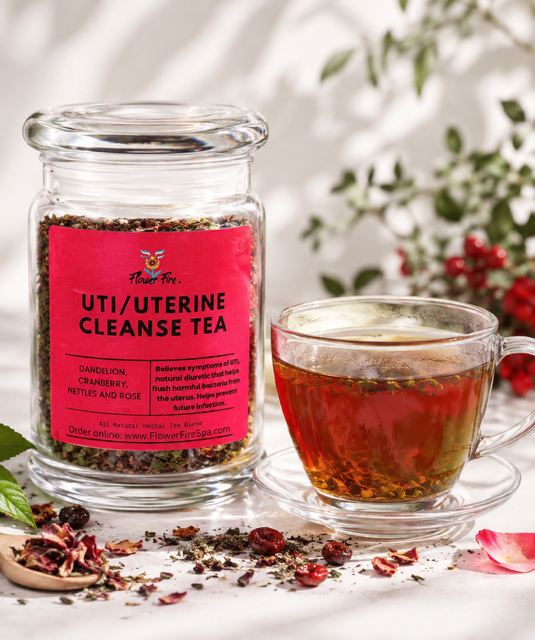
UTI Cleanse Tea
Nettle, raspberry leaf, green tea, and cranberry combine into a balanced herbal tea blend that offers nutrient density, reproductive and urinary support, gentle antioxidant and metabolic benefits, and pleasant flavor.
Nettle (Urtica dioica)
Nutritional powerhouse: Nettle leaf is rich in vitamins (A, C, K), minerals (iron, calcium, magnesium, potassium), and chlorophyll. Drinking nettle tea contributes to dietary micronutrient intake and can help support general nutritional status, particularly iron and calcium levels when part of a varied diet.
Anti-inflammatory support: Nettle contains lipophilic compounds, flavonoids, and carotenoids that exhibit anti-inflammatory activity in vitro and in some clinical contexts. It is traditionally used for mild inflammatory conditions such as joint stiffness and seasonal allergic rhinitis.
Circulatory and hemostatic effects: Nettle’s vitamin K and mineral profile support healthy blood clotting and vascular function. Historically it has been used to support circulation and as a nutritive tonic after blood loss.
Diuretic and urinary support: Nettle can produce a mild diuretic effect, supporting kidney function and fluid balance. This diuretic action is gentle and can support urinary tract health as part of broader dietary measures.
Uterine tonic (traditional use): In herbal tradition, nettle has been used as a nutritive uterine tonic during preconception and pregnancy support regimens because of its nutrient density; however, pregnant people should consult a healthcare provider before using concentrated herbal products.
Raspberry Leaf (Rubus idaeus)
Uterine and reproductive support: Raspberry leaf is widely used in traditional Western and folk midwifery as a uterine tonic. It contains fragarine and other constituents that may help strengthen pelvic tissues and support uterine muscle tone. Many women drink raspberry leaf tea during late pregnancy to support labor preparedness; clinical evidence is mixed but suggests possible benefits in shortening labor for some women when taken therapeutically under guidance.
Rich in minerals and astringent tannins: Raspberry leaf provides calcium, magnesium, iron, and vitamin C, contributing to overall mineral intake. Its mild astringency can be soothing to mucous membranes and may aid digestive comfort.
Menstrual support: Raspberry leaf has been used to alleviate menorrhagia (heavy periods) and cramping due to its astringent and toning properties. It supports balanced menstrual function when incorporated into a holistic approach.
Gentle and nutritive: As a mild, nourishing herb, raspberry leaf is well tolerated and commonly used as a regular daily infusion to support female reproductive health and general wellbeing.
Green Tea (Camellia sinensis)
Potent antioxidants: Green tea is rich in catechins, particularly epigallocatechin gallate (EGCG), which are strong antioxidants. These compounds help neutralize free radicals, support cellular health, and reduce oxidative stress.
Metabolic and cardiovascular benefits: Regular consumption of green tea has been associated in numerous studies with modest improvements in metabolic markers (weight management support, improved lipid profiles) and cardiovascular risk reduction (lower LDL cholesterol, improved endothelial function).
Cognitive and mood support: Caffeine combined with L-theanine in green tea provides mild stimulation and improved cognitive focus without the pronounced jitteriness of coffee. L-theanine promotes relaxation and mental clarity.
Immune modulation and antimicrobial activity: Green tea catechins exhibit antimicrobial and mild immune-supportive effects, which can contribute to overall resilience against mild infections.
Cranberry (Vaccinium macrocarpon)
Urinary tract health: Cranberry is best known for its role in preventing adhesion of certain bacteria (notably uropathogenic E. coli) to the bladder wall. Proanthocyanidins (PACs) in cranberry can reduce bacterial colonization and lower recurrence risk of urinary tract infections when consumed regularly.
Antioxidant and anti-inflammatory effects: Cranberries contain anthocyanins, flavonoids, and vitamin C, contributing antioxidant activity that supports vascular and cellular health.
Urinary acidification and gentle detox support: Cranberry’s natural acids can modestly alter urinary pH and promote increased urine production, aiding flushing of the urinary tract. When combined with nettle’s mild diuretic action, cranberry can support urinary hygiene.
Palatability and flavor balance: Cranberry adds a bright, tart note to the blend, improving taste and making regular consumption more enjoyable, important for adherence when using tea for preventive purposes.
Synergy and overall benefits of the blend
Targeted reproductive and urinary support: Raspberry leaf’s uterine toning and nutritive properties complement nettle’s mineral density and gentle diuretic effects, while cranberry
Nettle, raspberry leaf, green tea, and cranberry combine into a balanced herbal tea blend that offers nutrient density, reproductive and urinary support, gentle antioxidant and metabolic benefits, and pleasant flavor.
Nettle (Urtica dioica)
Nutritional powerhouse: Nettle leaf is rich in vitamins (A, C, K), minerals (iron, calcium, magnesium, potassium), and chlorophyll. Drinking nettle tea contributes to dietary micronutrient intake and can help support general nutritional status, particularly iron and calcium levels when part of a varied diet.
Anti-inflammatory support: Nettle contains lipophilic compounds, flavonoids, and carotenoids that exhibit anti-inflammatory activity in vitro and in some clinical contexts. It is traditionally used for mild inflammatory conditions such as joint stiffness and seasonal allergic rhinitis.
Circulatory and hemostatic effects: Nettle’s vitamin K and mineral profile support healthy blood clotting and vascular function. Historically it has been used to support circulation and as a nutritive tonic after blood loss.
Diuretic and urinary support: Nettle can produce a mild diuretic effect, supporting kidney function and fluid balance. This diuretic action is gentle and can support urinary tract health as part of broader dietary measures.
Uterine tonic (traditional use): In herbal tradition, nettle has been used as a nutritive uterine tonic during preconception and pregnancy support regimens because of its nutrient density; however, pregnant people should consult a healthcare provider before using concentrated herbal products.
Raspberry Leaf (Rubus idaeus)
Uterine and reproductive support: Raspberry leaf is widely used in traditional Western and folk midwifery as a uterine tonic. It contains fragarine and other constituents that may help strengthen pelvic tissues and support uterine muscle tone. Many women drink raspberry leaf tea during late pregnancy to support labor preparedness; clinical evidence is mixed but suggests possible benefits in shortening labor for some women when taken therapeutically under guidance.
Rich in minerals and astringent tannins: Raspberry leaf provides calcium, magnesium, iron, and vitamin C, contributing to overall mineral intake. Its mild astringency can be soothing to mucous membranes and may aid digestive comfort.
Menstrual support: Raspberry leaf has been used to alleviate menorrhagia (heavy periods) and cramping due to its astringent and toning properties. It supports balanced menstrual function when incorporated into a holistic approach.
Gentle and nutritive: As a mild, nourishing herb, raspberry leaf is well tolerated and commonly used as a regular daily infusion to support female reproductive health and general wellbeing.
Green Tea (Camellia sinensis)
Potent antioxidants: Green tea is rich in catechins, particularly epigallocatechin gallate (EGCG), which are strong antioxidants. These compounds help neutralize free radicals, support cellular health, and reduce oxidative stress.
Metabolic and cardiovascular benefits: Regular consumption of green tea has been associated in numerous studies with modest improvements in metabolic markers (weight management support, improved lipid profiles) and cardiovascular risk reduction (lower LDL cholesterol, improved endothelial function).
Cognitive and mood support: Caffeine combined with L-theanine in green tea provides mild stimulation and improved cognitive focus without the pronounced jitteriness of coffee. L-theanine promotes relaxation and mental clarity.
Immune modulation and antimicrobial activity: Green tea catechins exhibit antimicrobial and mild immune-supportive effects, which can contribute to overall resilience against mild infections.
Cranberry (Vaccinium macrocarpon)
Urinary tract health: Cranberry is best known for its role in preventing adhesion of certain bacteria (notably uropathogenic E. coli) to the bladder wall. Proanthocyanidins (PACs) in cranberry can reduce bacterial colonization and lower recurrence risk of urinary tract infections when consumed regularly.
Antioxidant and anti-inflammatory effects: Cranberries contain anthocyanins, flavonoids, and vitamin C, contributing antioxidant activity that supports vascular and cellular health.
Urinary acidification and gentle detox support: Cranberry’s natural acids can modestly alter urinary pH and promote increased urine production, aiding flushing of the urinary tract. When combined with nettle’s mild diuretic action, cranberry can support urinary hygiene.
Palatability and flavor balance: Cranberry adds a bright, tart note to the blend, improving taste and making regular consumption more enjoyable, important for adherence when using tea for preventive purposes.
Synergy and overall benefits of the blend
Targeted reproductive and urinary support: Raspberry leaf’s uterine toning and nutritive properties complement nettle’s mineral density and gentle diuretic effects, while cranberry